Working night shifts comes with unique challenges, and one of the biggest hurdles is resetting your sleep schedule. Unlike the traditional 9-to-5 routine, night shifts disrupt the body’s natural circadian rhythm, often leaving me exhausted, groggy, and mentally foggy. Over time, I realized that successfully adjusting my sleep after night shifts isn’t about forcing myself to sleep but about creating a structured routine that supports natural rest and recovery.
In this article, I’ll share my personal approach, the strategies that have worked for me, and practical tips that anyone working night shifts can implement to restore healthy sleep patterns.
Understanding the Challenge of Night Shift Sleep
Before I developed my method, I struggled with irregular sleep, insomnia, and fatigue. Understanding why night shifts disrupt sleep was the first step toward finding a solution.
How Night Shifts Affect Sleep
- Circadian Rhythm Disruption: The body is naturally wired to be awake during daylight and asleep at night. Night shifts force a reversal of this natural rhythm.
- Light Exposure Conflicts: Daylight signals your brain to wake up, making it difficult to sleep after a night shift.
- Hormonal Imbalance: Cortisol, melatonin, and other hormones fluctuate based on the day-night cycle. Night shifts disturb these patterns, causing difficulty falling asleep or staying asleep.
Understanding these challenges helped me realize that resetting sleep isn’t just about timing—it’s about aligning habits with my body’s biology.
I Prioritize Pre-Shift Preparation
I learned that an effective sleep reset starts even before my night shift begins. Preparing my body and mind makes post-shift rest much smoother.
Key Pre-Shift Habits:
- Short Naps Before the Shift: A 20–30 minute power nap before work boosts alertness without interfering with later sleep.
- Light Meals: Eating heavy or greasy foods before a night shift can cause sluggishness. I opt for protein-rich, easy-to-digest meals.
- Caffeine Timing: I consume caffeine early in the shift to enhance focus but avoid it toward the end, so it doesn’t disrupt post-shift sleep.
These preparations ensure my energy levels are optimized during the night and my body is ready to transition to rest afterward.
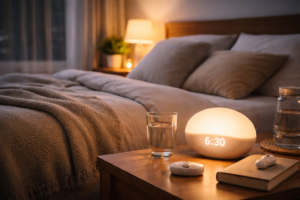
Creating a Sleep-Conducive Environment
Sleeping during the day after a night shift requires controlling environmental factors that can interfere with rest.
My Daytime Sleep Setup:
- Blackout Curtains: Block sunlight to signal my brain that it’s time for sleep.
- White Noise Machine: Masks daytime noise from traffic or neighbors, making it easier to stay asleep.
- Cool, Comfortable Temperature: I maintain my bedroom around 65–70°F (18–21°C) to promote deep sleep.
- Minimal Screens Before Bed: I avoid phones or TVs, which emit blue light that suppresses melatonin.
These adjustments transformed my bedroom into a sleep sanctuary, even when the world outside is bustling.
I Follow a Consistent Sleep Schedule
Consistency is critical for retraining my circadian rhythm. Even on days off, I try to maintain a similar sleep window.
My Scheduling Strategy:
- Immediate Post-Shift Sleep: I go to bed as soon as I get home, usually around 7–8 a.m.
- Targeted Sleep Duration: I aim for 6–7 hours, even if shorter than ideal, followed by a brief nap if needed later.
- Gradual Adjustments on Days Off: I avoid drastic swings in sleep times; instead, I shift gradually by 1–2 hours to maintain rhythm.
Consistency reduces the fatigue and grogginess that typically plague night-shift workers.
I use strategic light exposure.
Light is one of the most powerful cues for regulating the sleep-wake cycle. I use it intentionally to reset my internal clock.
My Light Management Approach:
- Morning Sunlight: I wear sunglasses on the commute home to reduce light exposure, signaling to my body that it’s time to wind down.
- Bright Light During Night Shift: Exposure to bright lights during work boosts alertness and helps reset my circadian rhythm.
- Dim Evening Lighting at Home: Before sleeping post-shift, I dim lights to encourage melatonin production.
This combination of light management tricks the body into knowing when to be awake and when to rest.
I Optimize Nutrition for Sleep Recovery
What I eat after night shifts plays a big role in how quickly I can fall asleep and how well I rest.
My Nutrition Guidelines:
- Light, Balanced Meals: I avoid heavy, greasy foods that disrupt digestion. My meals typically include protein, complex carbs, and vegetables.
- Sleep-Promoting Nutrients: Foods rich in magnesium, tryptophan, and vitamin B6, like nuts, seeds, and bananas, help regulate sleep hormones.
- Hydration: I drink water to rehydrate but avoid excessive caffeine or energy drinks post-shift.
By pairing proper nutrition with rest, I allow my body to recover faster and sleep more deeply.
I incorporate relaxation techniques.
Transitioning from a night shift to daytime sleep can be stressful. I use relaxation strategies to calm my nervous system.
My Favorite Techniques:
- Deep Breathing Exercises: A few minutes of slow, controlled breathing helps reduce cortisol levels.
- Progressive Muscle Relaxation: Tensing and releasing muscles relaxes the body and prepares it for sleep.
- Gentle Stretching or Yoga: Light stretches ease tension accumulated during the shift.
- Mindfulness or Meditation: A brief meditation session calms the mind and signals that rest is coming.
These techniques make falling asleep faster and improve the quality of my rest.
Strategic Napping to Bridge Shifts
Naps are a lifesaver when managing a night shift schedule. I’ve learned how to nap effectively without interfering with core sleep.
My Nap Strategy:
- Short Power Naps: 20–30 minutes during long shifts improve alertness.
- Avoid Late-Night Naps: Napping too close to the end of the shift can delay post-shift sleep.
- Post-Shift “Recovery Nap”: On particularly exhausting nights, a brief afternoon nap complements core sleep.
Napping strategically bridges energy gaps and prevents extreme fatigue.
I Limit Stimulants and Alcohol
Caffeine and alcohol can disrupt sleep after night shifts if not managed carefully.
My Rules:
- Caffeine Cutoff: No caffeine within 4–5 hours of the end of the shift.
- Minimal Alcohol: Alcohol can induce sleep initially but disrupts deeper sleep stages.
- Hydrating Alternatives: Herbal teas or electrolyte drinks replace coffee or alcohol when winding down.
These adjustments enhance my ability to fall asleep naturally and achieve restorative rest.
I track sleep patterns.
I’ve found that monitoring sleep helps me fine-tune my approach.
Tools and Techniques:
- Sleep Apps or Trackers: Monitor duration and quality of sleep.
- Sleep Journals: Record bedtime, wake-up time, and post-shift energy levels.
- Adjustments Based on Feedback: If I notice grogginess or waking frequently, I tweak environment, nutrition, or timing.
Tracking creates a feedback loop that helps me optimize sleep consistently.
Lifestyle Adjustments to Support Night Shift Sleep
Beyond sleep-specific habits, broader lifestyle choices make a big difference.
Key Adjustments:
- Regular Exercise: Daily activity, ideally not right before bed, supports circadian rhythm and sleep quality.
- Balanced Diet: Maintaining stable blood sugar prevents night-time energy spikes or crashes.
- Stress Management: Yoga, meditation, or quiet hobbies reduce stress, which can delay sleep onset.
- Limiting Screen Exposure: Blue light suppresses melatonin, so I avoid screens before post-shift sleep.
These adjustments make it easier to reset sleep naturally after every night shift.
Benefits I’ve Experienced
By following this structured approach, I’ve seen significant improvements in both sleep and overall health.
Sleep Benefits:
- Faster sleep onset after night shifts
- Longer, more restorative sleep
- Reduced grogginess and fatigue during the day
Lifestyle Benefits:
- Better focus and mental clarity during shifts
- Lower stress and improved mood
- Improved digestion and energy levels
- Consistency in social and personal life despite night work
These benefits reinforce the value of a comprehensive sleep reset routine.
Tips for Beginners
If you’re new to managing sleep after night shifts, here’s how to start:
- Start with the environment: block light, reduce noise, and maintain a cool bedroom.
- Set a Core Sleep Window: Prioritize a consistent 6–7 hour sleep period post-shift.
- Use Strategic Naps: Short, well-timed naps help maintain alertness.
- Mind Your Nutrition: Avoid heavy meals and focus on sleep-supporting foods.
- Practice Relaxation: Use breathing, stretching, or meditation to calm your mind.
- Track Your Sleep: Monitor patterns and adjust habits gradually.
Consistency is key—small, incremental changes lead to sustainable results.
Conclusion
Resetting sleep after night shifts is a challenge, but it’s not impossible. By prioritizing pre-shift preparation, creating a sleep-conducive environment, following a consistent schedule, managing light exposure, optimizing nutrition, and incorporating relaxation techniques, I’ve successfully restored my sleep rhythm.
This structured approach not only improves rest but also enhances energy, focus, mood, and overall well-being. Night shifts may always come with challenges, but with the right habits, resetting sleep can become a manageable and effective process.
FAQs
1. How long does it take to reset sleep after night shifts?
It usually takes 3–5 days of consistent habits to adjust, though minor tweaks can help immediately.
2. Can naps interfere with night shift sleep?
Yes, if taken too close to post-shift sleep. Short, strategic naps are best for boosting alertness without delaying main rest.
3. What foods help me sleep after night shifts?
Foods rich in magnesium, tryptophan, and B vitamins—like bananas, nuts, seeds, and whole grains—support natural sleep hormones.
4. Is sunlight exposure important for resetting sleep?
Yes. Controlling light exposure—bright lights during the shift and dim lights before sleeping—helps regulate the circadian rhythm.
5. Can relaxation techniques improve sleep quality?
Absolutely. Breathing, meditation, stretching, and mindfulness reduce stress and promote deeper, restorative sleep.