
Why Portion Control Used to Feel Like a Struggle
There was a time when controlling portion sizes felt like punishment. Every time I tried to eat less, I ended up feeling hungry, unsatisfied, and eventually frustrated. I would reduce my portions drastically, thinking that eating less automatically meant eating better. But instead of helping, it often led to overeating later in the day. I realised that the problem wasn’t just how much I was eating—it was how I was approaching food. Portion control shouldn’t feel like deprivation. It should feel natural, sustainable, and satisfying.
The Turning Point That Changed My Approach
My perspective changed when I stopped focusing on “eating less” and started focusing on “eating smarter”. I began to understand that hunger isn’t just about quantity—it’s also about quality. If my meals were balanced and satisfying, I didn’t need large portions to feel full. This shift helped me move away from restrictive habits and toward a more mindful way of eating that actually worked in the long term.
What Portion Control Really Means to Me
Portion control is not about eating tiny meals or constantly feeling hungry. For me, it means eating the right amount of food that keeps me energised and satisfied without overeating. It’s about understanding my body’s needs and responding to them appropriately. Instead of strict measurements, I rely on awareness and simple guidelines that help me stay consistent without stress.
How I Use Visual Cues Instead of Measuring Everything
I used to think I needed a kitchen scale or measuring cups to control portions, but that quickly became exhausting. Now, I use visual cues to guide my portions. For example, I think of my plate in sections rather than numbers. Half of my plate is usually vegetables, a quarter is protein, and the remaining quarter is carbohydrates. This simple method helps me create balanced meals without overthinking or tracking every detail.
Why Eating Slowly Made a Huge Difference
One of the biggest changes I made was slowing down while eating. In the past, I would finish meals quickly, often before my body had time to signal fullness. Now, I take my time, chew properly, and pause between bites. This allows my body to catch up and helps me recognise when I’m actually satisfied. As a result, I naturally eat smaller portions without feeling deprived.
How I Build Meals That Keep Me Full Longer
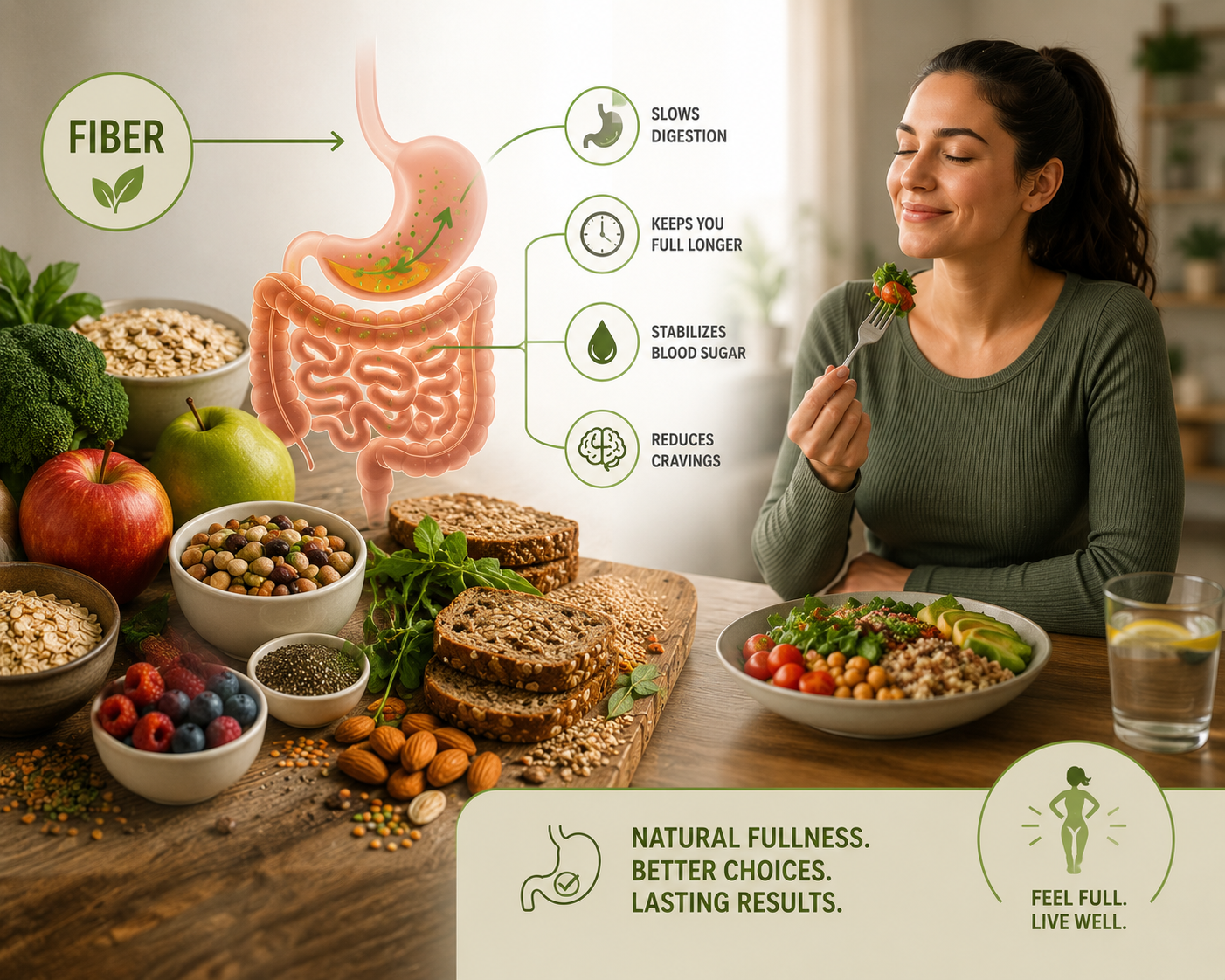
Feeling hungry after a meal is often a sign that something is missing. I learned that meals need to include the right combination of nutrients to be satisfying. Protein, fibre, and healthy fats play a key role in keeping me full.
Here’s how I structure my meals:
- Protein: eggs, chicken, beans, or yogurt
- Fiber: vegetables, fruits, whole grains
- Healthy fats: nuts, seeds, olive oil
When I include these elements, I feel satisfied for longer periods, which makes portion control much easier.
My Strategy for Managing Hunger Between Meals
In the past, I would either ignore hunger or reach for unhealthy snacks. Now, I take a balanced approach. If I’m genuinely hungry, I eat something small and nutritious instead of waiting until I’m starving.
My go-to snacks include:
- A handful of nuts
- Fruit with yogurt
- Whole-grain toast with peanut butter
These options keep my hunger in check and prevent overeating during my main meals.
How I Avoid Overeating Without Feeling Restricted
One of the reasons I used to overeat was because I felt restricted. When you tell yourself you can’t have certain foods, you tend to want them even more. Now, I allow myself to enjoy all foods in moderation. If I want a treat, I have it—but I keep the portion reasonable. This approach removes the feeling of restriction and makes it easier to maintain balance.
The Role of Mindful Eating in Portion Control
Mindful eating has become a key part of my routine. Instead of eating while distracted, I try to focus on my meals. I pay attention to flavours, textures, and how I feel while eating. This awareness helps me recognise when I’ve had enough. It also makes meals more enjoyable, which reduces the urge to overeat.
How I Handle Large Portions When Eating Out
Restaurants often serve large portions, which can make portion control challenging. Instead of trying to finish everything, I’ve learned to manage these situations better.
My simple approach includes:
- Eating slowly and stopping when I’m satisfied
- Sharing meals when possible
- Saving leftovers for later
This way, I can enjoy eating out without overindulging.
Why I Don’t Skip Meals Anymore
Skipping meals might seem like a way to reduce overall intake, but for me, it had the opposite effect. It made me extremely hungry, which led to overeating later. Now, I make sure to eat regular meals throughout the day. This keeps my energy stable and prevents extreme hunger, making portion control much easier.
How I Stay Hydrated to Support Better Eating Habits
Sometimes, what feels like hunger is actually thirst. I’ve made it a habit to drink water regularly throughout the day. Staying hydrated not only supports overall health but also helps me avoid unnecessary snacking. Before reaching for food, I often drink a glass of water and check if I’m truly hungry.
My Approach to Emotional Eating and Cravings
Emotional eating used to be a big challenge for me. Stress, boredom, or even habit would lead me to eat more than I needed. Now, I try to pause and identify the reason behind my cravings. If I’m not physically hungry, I look for other ways to address my emotions, such as taking a walk or engaging in a different activity. This helps me avoid unnecessary eating and stay in control of my portions.
Practical Portion Control Tips You Can Start Today
If you want to control portion sizes without feeling hungry, here are some practical steps you can apply immediately:
- Use a smaller plate to naturally reduce portions
- Eat slowly and pay attention to your body’s signals
- Include protein and fiber in every meal
- Avoid eating directly from large packages
- Keep healthy snacks available
- Drink water regularly throughout the day
These simple habits can make a big difference without requiring major changes to your lifestyle.
How Consistency Made Everything Easier
At first, controlling portions required conscious effort, but over time, it became a habit. The more I practised these simple strategies, the more natural they felt. I no longer have to think about portion sizes constantly—it just happens automatically. This consistency is what makes the approach sustainable in the long run.
The Balance Between Enjoyment and Control
One of the most important lessons I’ve learned is that eating should still be enjoyable. Portion control doesn’t mean giving up your favourite foods. It’s about finding a balance that allows you to enjoy what you eat while maintaining control. When you remove guilt and focus on balance, it becomes much easier to stay consistent.
Conclusion:
Controlling portion sizes doesn’t have to mean feeling hungry or deprived. By focusing on balanced meals, mindful eating, and simple habits, you can naturally reduce your portions while still feeling satisfied. The key is to create a system that works for your lifestyle and allows you to enjoy food without overthinking. Start with small changes, stay consistent, and over time, portion control will become effortless.
FAQs
1. How can I reduce portion sizes without feeling hungry?
Focus on eating balanced meals with protein, fibre, and healthy fats, and eat slowly to give your body time to feel full.
2. Is it okay to snack while controlling portions?
Yes, healthy snacks can help manage hunger and prevent overeating during main meals.
3. How do I avoid overeating at restaurants?
Eat slowly, stop when you’re satisfied, and consider sharing meals or saving leftovers.
4. Does drinking water really help with portion control?
Yes, staying hydrated can reduce unnecessary hunger and support better eating habits.
5. Can I still eat my favourite foods while controlling portions?
Absolutely. Enjoy your favourite foods in moderation without feeling restricted.
