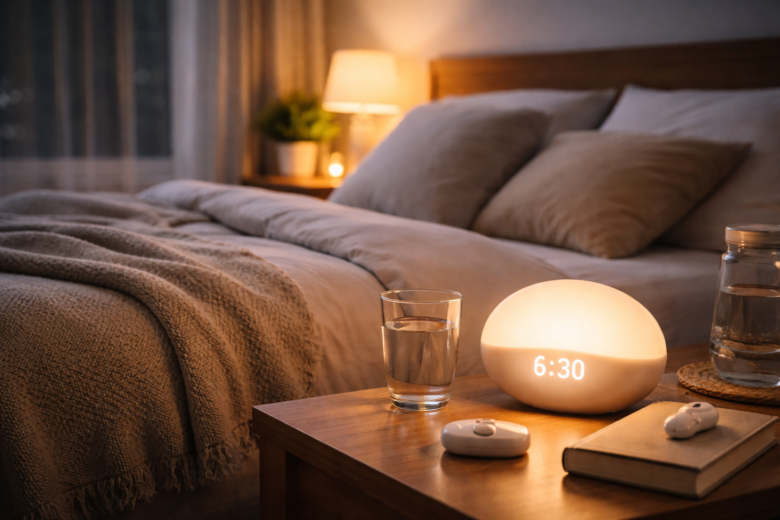
Achieving consistent daily energy is not just about how long you sleep—it’s about how well your body recovers during that time. Many people try to solve low energy by sleeping more hours but still wake up feeling exhausted. The missing piece is often sleep quality, not quantity.
A while ago, I used to treat sleep as something flexible—something I could adjust depending on workload. Over time, I noticed that inconsistent sleep patterns affected how clearly I could think and how productive I felt during the day. After making a few structured changes, the difference in daily energy became noticeable.
This article focuses on practical, research-backed habits that can help improve sleep quality and support better daily performance—without complicated routines or unrealistic expectations.
Understanding How Sleep Actually Works
Before improving sleep, it helps to understand two key systems that control it:
Sleep Pressure (Adenosine)
As you stay awake, your body builds up a chemical called adenosine. This creates a natural pressure to sleep, increasing throughout the day.
Circadian Rhythm
This is your internal 24-hour clock. It responds mainly to light and darkness, telling your body when to feel alert and when to wind down.
When these two systems align, falling asleep feels natural. When they are not—like staying up late under bright screens—sleep can become inconsistent or less refreshing.
1. Fix Your Wake-Up Time First
One of the most effective changes is surprisingly simple: wake up at the same time every day.
Instead of focusing only on bedtime, setting a consistent wake-up time helps regulate your internal clock. When you wake up at a fixed time, your body starts building sleep pressure at a predictable rate, making it easier to feel naturally exhausted at night.
A small variation (20–30 minutes) is fine, but large shifts—especially on weekends—can disrupt your rhythm and make Monday mornings harder.
Why this works:
Consistency trains your body to follow a stable cycle, reducing irregular sleep patterns.
2. Create a Sleep-Friendly Environment
Your bedroom environment plays a major role in how deeply you sleep. Even small adjustments can make a noticeable difference.
Keep the Room Cool
A slightly cooler room supports the body’s natural drop in temperature during sleep. Around 18–20°C (64–68°F) is often comfortable for most people.
Reduce Light Exposure
Light signals your brain to stay alert. Even dim lights or device LEDs can affect sleep quality.
- Use blackout curtains if possible
- Turn off unnecessary lights
- Keep screens away from your sleeping area
Minimize Noise and Distractions
A quiet, calm space helps the brain stay relaxed. If complete silence isn’t possible, consistent background noise (like a fan) can help mask disruptions.
3. Manage Screen Time Before Bed
Modern devices are one of the greatest challenges to good sleep. Phones, laptops, and TVs emit blue light, which can delay the body’s natural wind-down process.
Instead of stopping screens abruptly, try a gradual transition:
- 2 hours before bed: Reduce bright lighting
- 1 hour before bed: Limit screen use
- 30 minutes before bed: Switch to offline activities (reading, journaling, light stretching)
Even small changes here can improve how quickly you fall asleep.
A practical tip is to charge your phone away from your bed. As a result, fewer people check their notifications late at night.
4. Be Mindful of What You Consume
Food, drinks, and timing all affect how your body prepares for sleep.
Caffeine Timing
Caffeine can stay in your system for several hours. For better sleep, try to avoid it in the late afternoon or evening.
Evening Meals
Heavy meals close to bedtime can make it harder to relax. Eating earlier in the evening allows your body to settle before sleep.
Hydration Balance
Staying hydrated is important, but drinking large amounts right before bed may interrupt sleep. Spreading water intake throughout the day works better.
5. Clear Your Mind Before Bed
Many people struggle with sleep, not because of physical discomfort, but because their minds stay active.
One simple method is to write down your thoughts before bed:
- List tasks for the next day
- Note anything that feels unfinished
- Break tasks into small next steps
This helps reduce mental “noise” and makes it easier to relax. When your brain knows things are recorded somewhere, it doesn’t feel the need to keep repeating them.
6. Use Your Bed Only for Sleep
Your brain builds associations based on habits. If you use your bed for work, scrolling, or watching videos, it may stop linking with the rest.
Try to keep your bed reserved for sleep. If you can’t fall asleep after a while, get up and do something calm in low light until you feel sleepy again.
This helps reinforce the connection between bed and rest, making it easier to fall asleep over time.
7. Get Morning Light Exposure
Good sleep actually starts in the morning. Exposure to natural light early in the day helps set your internal clock.
Spending 10–15 minutes outside after waking up can
- Signal your body that the day has started
- Reduce sleepiness naturally
- Help you feel tired at the right time in the evening
Even on cloudy days, outdoor light is much stronger than indoor lighting.
8. Build a Simple Night Routine
A consistent routine tells your body that it’s time to wind down. It doesn’t have to be complicated.
A basic routine could include:
- Turning off bright lights
- Preparing things for the next day
- Light reading or quiet activity
The key is consistency, not complexity.
9. Focus on Progress, Not Perfection
Improving sleep doesn’t require changing everything at once. Small adjustments can build over time.
Start with one or two habits, such as:
- Fixing your wake-up time
- Reducing screen use before bed
Once these feel natural, add another step. This gradual approach is more sustainable and easier to maintain.
Quick Daily Checklist
To make things simple, here’s a practical checklist you can follow:
- Wake up at the same time every day
- Get some morning light exposure
- Avoid caffeine later in the day
- Keep your sleeping environment cool and dark
- Reduce screen time before bed
- Write down tasks to clear your mind
You don’t need to do everything perfectly—consistency matters more than perfection.
Final Thoughts
Better sleep is not about complicated systems or strict rules. It’s about aligning your daily habits with how your body naturally functions. When your sleep improves, the benefits often extend beyond rest. Daily tasks feel easier, focus becomes more stable, and energy levels stay more consistent throughout the day.
If you’re looking to make a change, start small. Choose one habit—like fixing your wake-up time—and stick with it for a week. Simple steps, repeated consistently, can lead to noticeable improvements over time.