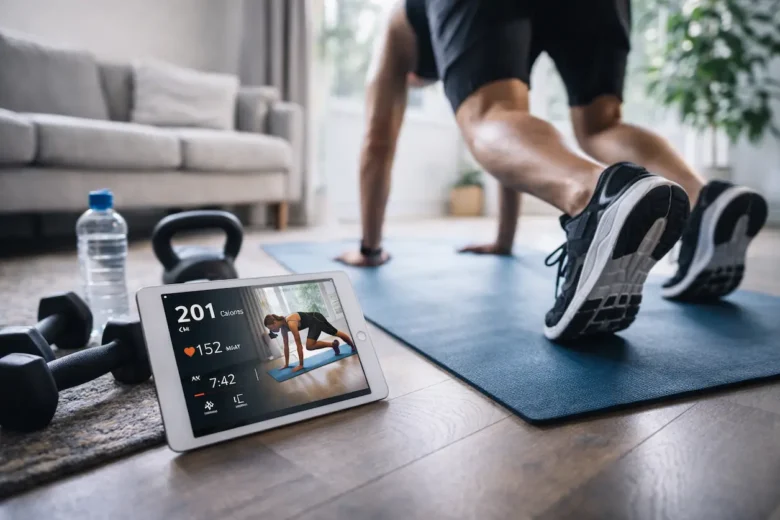
Finding time to exercise can be challenging, especially with busy workdays or family responsibilities. Over time, I realized that I didn’t need hours at the gym to burn calories effectively. With a consistent 20-minute home session, I can get my heart rate up, strengthen my muscles, and feel accomplished—all without leaving the house. In this article, I’ll walk you through my approach, share practical tips, and explain how anyone can burn calories efficiently in just 20 minutes.
Why Short Workouts Can Be So Effective
Many people assume that to burn significant calories, they need long, exhausting workouts. But I discovered that intensity, structure, and focus matter more than duration. A well-designed 20-minute session can stimulate both cardiovascular and muscular systems, boosting metabolism and calorie burn even after the workout ends.
Short workouts also eliminate the excuse of “I don’t have time.” When I know I only need 20 minutes, I’m much more likely to commit, even on busy days. Over time, these consistent, brief sessions add up to significant results in calorie burn, fitness, and overall health.
Preparing Your Home for a 20-Minute Workout
Before starting, I set up a small, dedicated space in my home. This doesn’t require any equipment or a large area—just enough room to stretch, jump, and move freely. I usually lay down a yoga mat for comfort and safety.
Lighting, ventilation, and minimizing distractions are crucial. Opening a window, playing energizing music, and putting my phone on “Do Not Disturb” helps me fully focus. Even a small, uncluttered corner becomes an effective workout area.
My 5-Minute Warm-Up Routine
A proper warm-up is essential to prevent injury and prepare your body for maximum calorie burn. In my 20-minute sessions, I dedicate the first 5 minutes to dynamic movements:
- High knees: 1 minute to raise heart rate
- Arm circles: 30 seconds forward, 30 seconds backward
- Torso twists: 1 minute to engage the core
- Bodyweight squats: 1 minute for leg activation
- Jumping jacks: 1 minute to boost circulation
This brief warm-up increases blood flow, loosens muscles, and mentally prepares me to work hard for the next 15 minutes.
Step 1: High-Intensity Interval Training (HIIT)
The core of my 20-minute calorie-burning session is HIIT. I rotate between short bursts of intense activity and brief recovery periods. Here’s an example of a 10-minute HIIT block I use:
- 30-second mountain climbers – fast-paced, full-body movement
- 15 seconds rest
- 30 seconds jump squats – explosive leg work
- 15 seconds rest
- 30-second push-ups – upper body and core
- 15 seconds rest
- Repeat cycle 3 times
HIIT allows me to burn calories rapidly while improving cardiovascular fitness. The intensity ensures my body continues burning calories even after the workout ends, a phenomenon known as the afterburn effect.
Step 2: Strength-Focused Bodyweight Exercises
After HIIT, I shift to strength-focused exercises to engage multiple muscle groups, which further boosts calorie expenditure. I usually spend 5–7 minutes on these exercises:
- Lunges: 3 sets of 12 reps per leg
- Plank shoulder taps: 3 sets of 15 taps per side
- Glute bridges: 3 sets of 15 reps
- Bicycle crunches: 3 sets of 20 reps
These moves target both major and smaller muscles. Engaging multiple muscles simultaneously increases metabolic demand, which means more calories burned in less time.
Step 3: Cardio Burnout
To finish strong, I do a 3–5 minute cardio burn-out. I pick exercises that get my heart pumping quickly:
- Jumping jacks – 1 minute
- Burpees – 1 minute
- High knees with arm reach – 1 minute
- Repeat or mix in mountain climbers if time allows
This final push maximizes calorie burn and ensures I end the session sweaty, energized, and accomplished. Even this short duration contributes significantly to weekly calorie expenditure.
Using Household Items to Intensify Workouts
Even without gym equipment, you can increase intensity using household items:
- Chairs: Tricep dips, step-ups, or incline push-ups
- Water bottles or books: Hold during squats or lunges to add resistance
- Towels: Use for sliding lunges or modified resistance exercises
I often use these simple tools to make exercises more challenging, which keeps calorie burn high without buying expensive equipment.
Staying Consistent With 20-Minute Sessions
Consistency is key. Short workouts are only effective if performed regularly. Here’s how I stay on track:
- Schedule workouts: I treat them like appointments. Early mornings work best for me.
- Track progress: Logging exercises, reps, and duration keeps me motivated.
- Mix routines: Rotating HIIT, strength, and cardio prevents boredom.
- Visual cues: I keep my mat visible as a reminder to move.
When I stick to this system, 20-minute sessions accumulate into significant improvements in fitness, calorie burn, and body composition over time.
Nutrition to Maximize Calorie Burn
While short workouts are effective, nutrition plays a key role in energy and results. I follow simple principles:
- Pre-workout: A small snack like a banana or a handful of almonds fuels my session.
- Hydration: Drinking water before, during, and after exercise keeps performance high.
- Post-workout: A protein-rich meal or smoothie aids recovery and maintains muscle mass.
Pairing 20-minute workouts with mindful eating ensures I burn calories efficiently while supporting overall health.
Tracking Results Without a Scale
I focus on practical metrics beyond just weight:
- Reps and sets completed – improvement shows strength gains
- Workout duration or intensity—pushing harder over time
- Clothing fit and energy levels – real-life indicators of progress
These measures help me see tangible results without becoming obsessed with the scale.
Benefits I’ve Experienced With 20-Minute Home Workouts
Since adopting these short, intense sessions, I’ve noticed multiple benefits:
- Increased energy throughout the day
- Improved cardiovascular fitness without long gym sessions
- Stronger, more toned muscles
- Reduced stress and better mood
- Time-efficient fitness that fits any schedule
Even when life is busy, these sessions allow me to maintain fitness consistently.
Overcoming Common Challenges
Home workouts have their challenges, but I’ve learned strategies to overcome them:
- Feeling unmotivated: I remind myself of the short duration and benefits. Even 20 minutes counts.
- Limited space: I choose exercises that fit my living area and use household items for resistance.
- Time constraints: Early mornings or lunch breaks work best for consistent scheduling.
Anticipating obstacles ensures I don’t skip workouts, which keeps results consistent.
Making It Fun and Sustainable
I keep sessions enjoyable to maintain long-term adherence:
- Music or podcasts: Listening to upbeat tunes or short podcasts keeps me engaged.
- Variety: I rotate HIIT, strength, core, and cardio sessions to avoid monotony.
- Challenges: Setting small weekly goals, like increasing reps or duration, adds excitement.
Fun, engaging workouts are far more sustainable than long, boring sessions.
Conclusion
Burning calories effectively doesn’t require hours at the gym. With focused, well-structured 20-minute home sessions, you can elevate your heart rate, engage multiple muscle groups, and improve overall fitness. My approach combines warm-ups, HIIT, strength exercises, and a cardio burnout to maximize calorie expenditure in minimal time. Pairing this routine with proper hydration, nutrition, and consistency ensures long-term results. With just 20 minutes a day, anyone can make meaningful progress toward fitness goals without leaving home.
FAQs
1. Can I burn significant calories in just 20 minutes?
Yes, short, high-intensity workouts can burn calories efficiently while boosting metabolism even after the session ends.
2. Do I need equipment for effective calorie burn?
No. Bodyweight exercises and household items like chairs or water bottles can increase intensity effectively.
3. How often should I do 20-minute workouts?
Ideally 4–6 times per week for maximum results, but even 3 sessions can yield benefits if consistent.
4. What type of exercises maximize calorie burn?
HIIT, compound movements, and exercises that engage multiple muscle groups simultaneously are most effective.
5. Can short workouts improve overall fitness?
Absolutely. When done consistently and with intensity, even 20-minute sessions improve strength, endurance, and cardiovascular health.