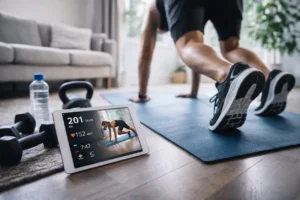
Staying fit doesn’t have to mean expensive gym memberships or heavy equipment. I discovered that with simple bodyweight exercises, anyone—even beginners—can build strength, improve flexibility, and boost energy levels. The best part? These exercises can be done anywhere: at home, in the park, or even in a hotel room. In this article, I’ll share my personal approach, step-by-step exercises, and tips for creating a sustainable, beginner-friendly routine.
Why Bodyweight Exercises Are Ideal for Beginners
When I first started exercising, I was intimidated by gym equipment and complex routines. Bodyweight exercises changed everything for me. They’re accessible, low-risk, and highly adaptable. You can adjust intensity by modifying reps, sets, or exercise variations.
Additionally, bodyweight exercises build functional strength. This means you’re training muscles that support everyday activities, improving posture, balance, and overall mobility. For beginners, this creates a solid foundation for more advanced workouts later.
Preparing Your Space
You don’t need much space for effective bodyweight workouts. I usually clear a small corner of my living room or lay down a yoga mat. Key considerations:
- Space: At least 5×5 feet is enough for squats, lunges, or planks.
- Safety: Remove obstacles and ensure the floor isn’t slippery.
- Motivation: Play upbeat music or choose a visually appealing area.
A small, well-prepared space removes excuses and encourages consistency.
My 5-Minute Warm-Up for Beginners
Before jumping into exercises, I always warm up to prevent injury and prepare the body. My go-to beginner-friendly warm-up includes:
- Marching in place – 1 minute
- Arm circles – 30 seconds forward, 30 seconds backward
- Hip circles – 1 minute to loosen hips
- Torso twists – 1 minute
- Gentle squats – 1 minute
This short warm-up increases blood flow, warms muscles, and mentally signals that it’s time to focus on fitness.
Upper Body Exercises
Even without equipment, beginners can strengthen their upper body effectively. Here are exercises I do regularly:
- Wall Push-Ups: Stand facing a wall, place hands shoulder-width apart, and lower your chest toward the wall. This gentle variation is perfect for beginners.
- Incline Push-Ups on a Chair: Place hands on a sturdy chair and perform push-ups. This reduces intensity compared to floor push-ups.
- Arm Circles: Extend arms to the sides and make small circles for 30–60 seconds to engage shoulders and arms.
These exercises strengthen the chest, shoulders, and arms without requiring weights.
Lower Body Exercises
Leg strength is crucial for balance and overall fitness. I include these beginner-friendly moves:
- Bodyweight Squats: Stand with feet shoulder-width apart, bend knees, and lower hips while keeping the back straight. Start with 2 sets of 10 reps.
- Lunges: Step one foot forward and bend both knees to lower your body. Alternate legs for 8–10 reps per side.
- Glute Bridges: Lie on your back with knees bent and lift your hips while squeezing glutes. Hold for 2–3 seconds and lower slowly.
These exercises target glutes, thighs, and calves, promoting functional strength and stability.
Core Exercises
A strong core supports posture and reduces the risk of injury. My beginner-friendly core routine includes:
- Basic Plank: Hold a plank position on forearms and knees or toes, starting with 15–30 seconds.
- Dead Bugs: Lie on your back, lift arms and legs, and move opposite limbs together slowly. This improves core stability.
- Bicycle Crunches: Lie on your back, bring knees toward chest, and alternate elbows to knees in a controlled motion.
Even short core sessions strengthen muscles used in daily activities.
Full-Body Exercises for Beginners
To maximize efficiency, I include a few full-body movements:
- Standing Side Kicks: Alternately kick each leg to the side while engaging your core and arms.
- Marching Squats: Combine a squat with a knee lift to engage legs and core simultaneously.
- Jumping Jacks (Low Impact): Beginners can step side-to-side instead of jumping to reduce impact.
These moves increase heart rate while strengthening multiple muscle groups, making them ideal for calorie burn and endurance.
Creating a Beginner-Friendly Routine
Here’s a simple routine I follow that takes about 20–25 minutes:
- Warm-Up: 5 minutes
- Upper Body: Wall push-ups, incline push-ups, arm circles – 2 sets each
- Lower Body: Squats, lunges, glute bridges – 2 sets each
- Core: Plank, dead bugs, bicycle crunches – 2 sets each
- Full-Body Moves: Standing side kicks, marching squats, low-impact jumping jacks – 2 sets each
- Cool-Down: 5 minutes of gentle stretching
This structured approach ensures all major muscle groups are targeted while keeping sessions short and beginner-friendly.
Tips to Stay Consistent
Consistency is key for beginners. I use these strategies:
- Set a Schedule: Pick a specific time each day to exercise. Morning or evening works well.
- Track Progress: Note reps, sets, or hold times to see improvement.
- Start Slow: Begin with fewer reps and gradually increase as strength improves.
- Stay Positive: Celebrate small victories to build confidence and motivation.
Consistency, rather than intensity, is what produces lasting results in the early stages.
Modifying Exercises for Your Level
Beginners can modify most bodyweight exercises to suit their fitness level:
- Reduce reps or sets to avoid fatigue.
- Use support like a wall or chair for balance.
- Perform slower movements to focus on form and control.
These adjustments allow anyone to progress safely while building strength and endurance.
Benefits of Bodyweight Exercises Anywhere
The flexibility of bodyweight exercises brings several benefits:
- No Equipment Needed: Perfect for home, travel, or small spaces.
- Improved Functional Fitness: Strengthens muscles used in everyday life.
- Adaptable Intensity: Exercises can be modified for beginners or advanced users.
- Time-Efficient: Full-body workouts can be completed in 20–30 minutes.
For me, these benefits make bodyweight workouts practical, effective, and sustainable.
Staying Motivated and Engaged
To keep the routine enjoyable, I use these strategies:
- Listen to Music: Upbeat tracks keep energy high.
- Track Milestones: Celebrate holding a plank longer or adding more reps.
- Mix Variations: Change the order or type of exercises weekly.
- Involve Friends or Family: Exercising with others increases motivation.
Engagement is crucial for beginners to form lasting habits and avoid burnout.
Conclusion
Bodyweight exercises are an accessible, effective, and beginner-friendly way to stay fit anywhere. By focusing on upper body, lower body, core, and full-body movements, you can build strength, improve flexibility, and boost energy without any equipment. A structured routine of warm-up, targeted exercises, and cool-down, combined with consistency and small progressions, ensures that beginners can see results quickly. With these practical tips and exercises, staying active becomes easy, enjoyable, and achievable, no matter where you are.
FAQs
1. Do I need any equipment to start bodyweight exercises?
No. Bodyweight exercises can be done anywhere without any equipment, though chairs or walls can be used for support.
2. How long should a beginner’s session last?
20–30 minutes is ideal, including warm-up, exercises, and cool-down.
3. How often should I exercise as a beginner?
Aim for 3–5 times per week to build consistency and see results.
4. Can bodyweight exercises improve overall strength?
Yes. They engage multiple muscle groups, build functional strength, and improve endurance.
5. How can I make exercises easier if I’m just starting out?
Reduce reps or sets, use supports like walls or chairs, perform movements slowly, and focus on correct form.