
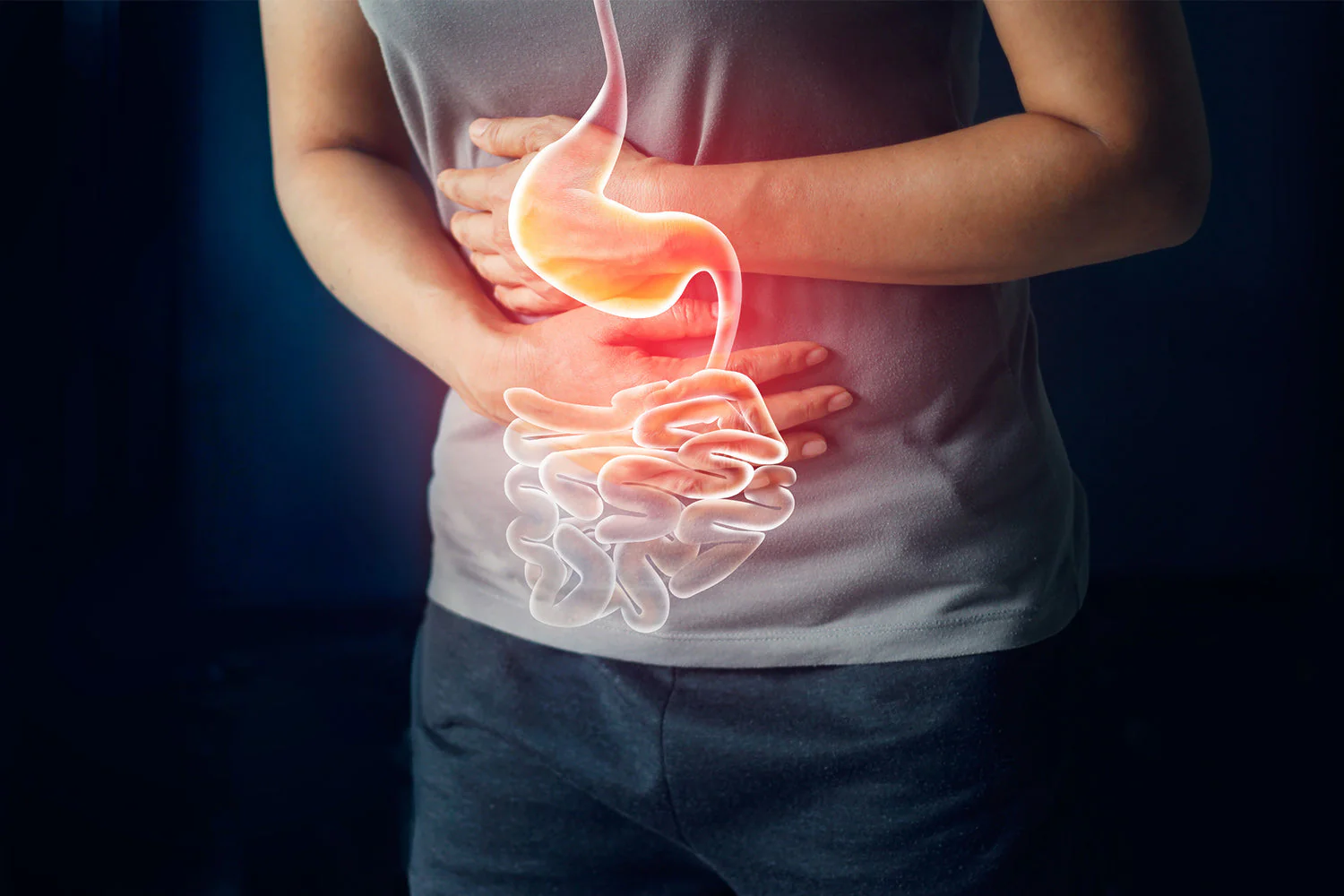
Digestive discomfort is something that everyone has experienced at some point in their life. It may feel like bloating, heaviness, slight stomach pain, or just general abdominal discomfort. It may not be serious, but it can ruin your day by making you uncomfortable, unfocused, and low on energy. Understanding what causes these problems and how to treat them in basic, natural ways can make a tremendous difference in how you feel each day. In this post, we’ll share some of the most prevalent offenders when it comes to digestive discomfort and practical, simple-to-follow solutions that may help support better digestion and overall gut comfort.
Dietary Habits Which Overload the Digestive System
The way we eat is one of the most common causes of intestinal distress. Many people eat too fast, do not chew well, or eat enormous meals in a short amount of time. If food isn’t adequately broken down in the mouth, the stomach has to work harder, which can cause bloating and discomfort.
Another problem is overeating. If you overfill the stomach, it stretches beyond its comfortable capacity, producing a heavy feeling and possibly slight cramps. Eating while preoccupied, such as when you work or use devices, might also play a role, as your body isn’t entirely focused on digestion. One good way to achieve this goal is to slow the lunch down. By chewing your food well and eating mindfully, you give the digestive system a chance to perform more efficiently. Eating smaller, balanced meals more often during the day can help take some pressure off the stomach and aid in smoother digestion.
Foods That Cause Digestive Discomfort
Some meals are naturally harder to digest or take longer to digest for some people. Very oily, spicy or highly processed foods can often leave you feeling heavy and uncomfortable in the stomach. Furthermore, for certain people, foods with a high refined sugar content can induce imbalance in digestion.
Many people get bloating and gas from dairy products, fried foods and fizzy drinks. But it’s crucial to remember that everyone is different when it comes to food sensitivities. What is uncomfortable to one individual is not uncomfortable to another. The important thing is to be attentive. Watching your body’s reaction after eating some meals can help you find your personal triggers. Once you know what they are, you can tone them down or balance them with gentler foods – fruits, vegetables and gently cooked dishes that are easy on the digestive system.
Lack of Fibre in the Daily Diet
Fibre is vital for smooth, healthy digestion. If the diet is deficient in fibre, food may pass more slowly through the digestive tract, which can contribute to bloating, constipation, or general discomfort.
A diet that consists largely of processed foods does not provide sufficient amounts of natural fibre. This can make the digestive system feel sluggish and less efficient over time. Including fibre-rich foods such as whole grains, fruits, vegetables and legumes can help with better digestion. These meals naturally help you stay regular and keep your digestion on a more comfortable schedule. A gradual increase in fibre is also crucial to prevent unexpected gas and bloating.
Stress and Emotional Impact on Digestion
Many underestimate the power of the gut-brain link. Stress, worry and emotional pressure can have a direct effect on the function of the stomach. Stress on the body can upset digestion or make it irregular, causing discomfort.
This is why so many people get stomach problems when they are under stress, such as from exams, deadlines or emotional events. The digestive system responds to emotional impulses, which is why peace and relaxation are so crucial for the health of your stomach. Simple relaxation techniques like deep breathing, taking breaks, or spending time in calm settings can improve digestion. The more relaxed the mind, the more the stomach frequently follows suit, with better comfort and balance.
Not Drinking Enough Water During the Day
Hydration gets a lot of buzz in the world of digestion, yet it is often disregarded. Water aids with food digestion and moves nutrients through the digestive tract. If the body is dehydrated, then digestion can slow down, causing bloating or discomfort.
In a busy routine, many people are not drinking enough water that can slow down the efficiency of digestion. Even minor dehydration might leave the stomach feeling heavier and less comfortable after eating. An easy way is to make drinking water a constant habit throughout the day instead of in big amounts at one time. Drinking water regularly promotes easier digestion and overall digestive balance.
Irregular Eating Habits and Missed Meals
Skipping meals or having irregular meals can confuse your digestive system. The body functions most efficiently when it’s on a predictable routine, especially in relation to digestion. Long pauses between meals can lead to increased hunger, which can lead to overeating later.
On the other side, frequently altering meal timings can disrupt the natural pattern of digestion. This may lead to discomfort, bloating, or even acidity in some cases. Having a simple and regular eating schedule helps the digestive system work more smoothly. This process helps your body prepare for food and digest it better, so you’re less likely to feel sick.
Lack of Exercise and its Impact on Digestion
Physical exercise is vital to keep digestion moving. If you don’t stay active for lengthy periods of time, digestion can slow, which can contribute to bloating or discomfort. A light stroll after meals can help food travel more smoothly through the digestive tract, supporting better digestion. A sedentary lifestyle, especially sitting for long hours, can occasionally cause a sluggish digestive tract.
“Simple physical activity incorporated into your daily life can have a significant impact. You don’t have to conduct hard exercise; even mild movement all day long can help your digestive process be healthier and more pleasant.
Eating Too Many Processed Foods and Foods Low in Nutrients
Processed meals are generally full of additives and preservatives, and they often lack fibre, which can make digestion harder. While these foods may be handy, they don’t always support long-term digestive comfort.
A diet heavy in processed foods may not provide the essential nutrients the digestive system needs for healthy functioning. Such meals might contribute to a sense of fullness or imbalance in the stomach. A useful way to do this is to include more fresh and healthy foods in your diet over time. Simple home-cooked meals created with natural ingredients are frequently gentler on digestion and can help lessen discomfort over time.
Natural Changes in the Digestive System Over Time
Digestive sensitivity might fluctuate over time, whether because of age, lifestyle or everyday routines. Some people may actually realise that items they used to tolerate readily now suddenly cause mild pain. This is a typical element of the body’s changes and adaptations.
A change in lifestyle or less physical activity, along with a slower metabolism, can make the digestive system more sensitive. Learning about these changes can help you to change habits in a supportive way, rather than forcing old eating patterns into new situations. In this case, it is particularly important to listen to the body. Pay attention to your body after eating. This can help you choose foods that are more comfortable and in sync with your current lifestyle.
Final Word
Numerous everyday habits, including nutrition, stress, hydration, and levels of activity, can influence the typical feeling of digestive discomfort. Sometimes it might be annoying, but often it can be controlled by making modest changes in lifestyle. Be attentive to what you eat, drink lots of water, select balanced meals, and have a regular schedule to aid in digestion comfort.
It is also vital to note that everyone’s physique is different. What works well for one individual may need minor tweaks for another. With this you may watch your own patterns and slowly make modifications to help a more comfortable and balanced digestive system to slowly build.
FAQs
1. Why do I become bloated after eating?
Bloating after eating can be caused by eating too rapidly, overeating, or eating foods that are more difficult to digest. It can also be caused by stress or by specific food sensitivities. Often, you can help this mood by looking at your eating habits and food selections.
2. Can stress actually influence digestion?
Yes, stress can alter how the digestive system functions. When the body is under stress, digestion may slow down or become irregular, which can lead to discomfort. Relaxation and quiet practices can help encourage healthier digestion.
3. Is drinking water important for digestion?
Water is vital for breaking down food and allowing it to travel smoothly through the digestive tract. Drinking enough water throughout the day helps ease intestinal discomfort and encourage better gut functioning overall.
4. Why do some foods upset our stomachs while others don’t?
Everyone’s digestive system is different, and some foods could be difficult for some people to digest. Common triggers include foods that are fatty, hot or processed; however, people can react differently.
5. How do I improve digestion naturally?
Simple practices like eating slowly, staying hydrated, consuming foods high in fibre, controlling stress and staying active will naturally help with digestion and over time lessen discomfort.
