
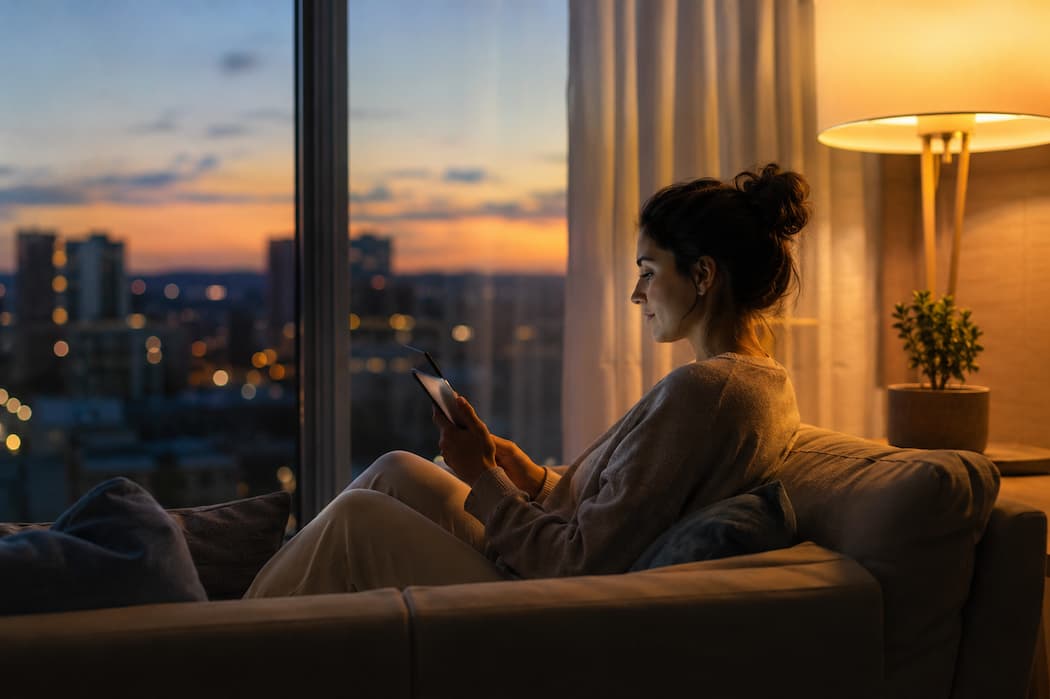
Many people spend their evenings under bright indoor lighting, scrolling through phones, or watching television right up until bedtime. They assume that sleep quality depends solely on what happens after the lights go out, but the truth is that evening light exposure shapes how well the body prepares for rest long before the head hits the pillow. Modern routines keep people illuminated well past sunset, and this constant exposure to artificial light quietly disrupts one of the body’s most important natural processes: the transition into sleep.
Evening light is not just a minor inconvenience for sleep. It directly affects the circadian rhythm, the internal clock that tells the body when to feel alert and when to wind down. When light disturbs this rhythm at the wrong time, you find it harder to fall asleep, sleep feels less restorative, and recovery suffers. Understanding how evening light affects sleep quality and recovery can help anyone make simple adjustments that lead to deeper, more consistent rest.
How the Body Uses Light to Time Sleep
The human body operates on a roughly 24-hour cycle called the circadian rhythm. This rhythm is controlled by a small region in the brain known as the suprachiasmatic nucleus, which receives signals from specialized cells in the eyes. These cells are sensitive to light intensity and color, and they use this information to synchronize internal processes with the external day-night cycle.
When natural light fades in the evening, the brain begins producing melatonin, a hormone that promotes sleepiness and helps the body transition into rest. This process is known as dim light melatonin onset, and it typically begins one to three hours before habitual bedtime. However, artificial light exposure during this window can delay or suppress melatonin production, pushing back the body’s natural sleep signal.
Research has shown that even ordinary indoor room light, at levels around 50 to 100 lux, can suppress melatonin and shift circadian timing. In one study, exposure to 50 lux of standard fluorescent light for eight hours before bed significantly reduced melatonin levels compared to dim light conditions. Another study found that higher pre-bedtime light exposure was associated with longer sleep onset latency, meaning it took more time to fall asleep after getting into bed.
Key Insight
Evening light does not just make it harder to fall asleep. It shifts the entire circadian clock, which can lead to consistently later bedtimes, shorter sleep duration, and reduced sleep quality over time.
The Difference Between Morning and Evening Light
Morning sunlight and evening artificial light affect the body in opposite ways. Morning light exposure helps anchor the circadian rhythm, signaling that the day has begun and promoting alertness. This is why consistent morning light is associated with better energy, mood stability, and easier sleep at night.
Evening light, however, sends the wrong signal at the wrong time. When the eyes receive bright light after sunset, the brain interprets it as an extension of daytime. This suppresses melatonin and delays the biological night. Over time, this delay can accumulate, leading to a chronic misalignment between the body’s internal clock and actual sleep schedule.
The contrast between these two types of light exposure highlights an important principle: light is a powerful tool for health, but timing matters. Morning light supports the rhythm, while evening light disrupts it. Both are manageable with awareness and simple habit changes.
How Blue Light Fits Into the Picture
Not all light affects sleep equally. The circadian system is most sensitive to short-wavelength blue light, which peaks around 480 nanometers. This is the type of light emitted abundantly by LED screens, fluorescent bulbs, and energy-efficient lighting. Blue light is particularly effective at suppressing melatonin because it closely matches the sensitivity of melanopsin, the photopigment in specialized retinal cells that communicates with the brain’s clock.
Studies have consistently shown that blue-enriched light in the evening suppresses melatonin more than warmer, longer-wavelength light. In one experiment, participants exposed to blue-depleted LED light before bedtime showed significantly less melatonin suppression compared to those exposed to standard fluorescent light at the same brightness level. This suggests that the color of evening light, not just its intensity, plays a major role in sleep disruption.
| Light Source | Color Temperature | Blue Light Content | Sleep Impact |
|---|---|---|---|
| Cool white LED bulbs | 5000K – 6500K | High | Strong melatonin suppression |
| Standard fluorescent | 4000K – 5000K | Moderate to high | Significant melatonin suppression |
| Warm white LED bulbs | 2700K – 3000K | Low | Reduced melatonin suppression |
| Smartphone screens | 6500K+ | Very high | Strongest melatonin suppression |
| Candlelight or firelight | 1800K – 2200K | Minimal | Minimal circadian disruption |
What Happens to Sleep When Evening Light Is Not Controlled
When evening light exposure goes unmanaged, several sleep problems can develop. The most immediate effect is delayed sleep onset. People who use bright screens or work under strong indoor lighting in the hours before bed often find themselves lying awake, even when they feel physically tired. This is not because they are not tired; it is because their brain has not yet received the chemical signal that it is time to sleep.
Beyond falling asleep, evening light also affects sleep architecture. Research indicates that exposure to short-wavelength light before bed can decrease slow-wave activity early in the night, resulting in shallower sleep. Although some compensatory deep sleep may occur later, the overall structure of rest becomes fragmented and less efficient.
Over longer periods, chronic evening light exposure can shift the entire circadian phase. This means the body consistently wants to go to bed later and wake up later, which creates a mismatch with work or school schedules. The result is often chronic sleep restriction, where people accumulate a sleep debt they cannot fully repay on weekends.
Practical Note
Even dim light exposure during sleep, such as from a nightlight or light leaking through curtains, has been associated with increased risk of obesity and metabolic syndrome. Darkness during sleep is just as important as dim light before it.
How Evening Light Affects Physical and Mental Recovery
Sleep is the primary window for physical recovery. During deep sleep, the body repairs tissues, consolidates memories, and regulates hormones. When evening light disrupts sleep quality, these processes become less efficient. Athletes and physically active individuals may notice slower muscle recovery, reduced performance, and greater fatigue despite spending adequate time in bed.
Mental recovery is equally affected. The brain uses sleep to process information and regulate emotional responses. Poor sleep quality, partly caused by evening light exposure, is linked to increased irritability, reduced stress resilience, and difficulty concentrating the next day. Over time, this pattern can contribute to mood disturbances and reduced cognitive performance.
The connection between evening light and recovery extends to metabolic health as well. Circadian disruption from artificial light at night has been associated with impaired glucose regulation, increased inflammation, and altered appetite hormones. These effects suggest that evening light management is not just a sleep issue but a broader health consideration.
Practical Strategies for Reducing Evening Light Exposure
Managing evening light does not require living in darkness or giving up modern conveniences. Small, consistent adjustments can significantly improve how the body transitions into sleep.
Dim Indoor Lighting Two to Three Hours Before Bed
Reducing the overall brightness of home lighting in the evening is one of the most effective steps. Switching to dimmer switches, using fewer lamps, or simply turning off overhead lights can lower total light exposure. The goal is not complete darkness but a gradual reduction that mimics the natural fading of daylight.
Switch to Warm-Colored Bulbs
Replacing cool white or daylight bulbs with warm white bulbs in bedrooms and living spaces can reduce blue light exposure. Bulbs with a color temperature of 2700K to 3000K emit less short-wavelength light and are less likely to suppress melatonin. This is a simple one-time change that provides daily benefits.
Establish a Screen Curfew
Stopping screen use at least one hour before bed is widely recommended by sleep experts. This includes smartphones, tablets, computers, and televisions. The hour without screens allows melatonin production to begin naturally and gives the mind time to disengage from stimulating content. For those who find this difficult, starting with 30 minutes and gradually extending the period can build the habit.
Screen Curfew Tips
If completely avoiding screens is not possible, reduce brightness to the lowest comfortable level, enable night mode or blue light filters, and hold the device farther from the face. These partial measures are better than no adjustment at all.
Use Blue Light Filters as a Backup, Not a Solution
Many devices offer built-in blue light reduction features, and these can help somewhat. However, they do not eliminate all circadian-active light, and they do not address the mental stimulation that comes from engaging with content. Filters are useful tools but should not replace broader evening light management.
Keep Bedrooms Dark During Sleep
Eliminating light sources in the bedroom supports uninterrupted sleep. This includes covering LED indicator lights on electronics, using blackout curtains to block outdoor light, and removing or covering illuminated clocks. Even small amounts of light during sleep can affect sleep quality and circadian regulation.
Prioritize Morning Light Exposure
Managing evening light works best when paired with strong morning light exposure. Getting outside shortly after waking, even for 10 to 15 minutes, helps anchor the circadian rhythm and makes the evening dimming process more effective. The contrast between bright morning light and dim evening light strengthens the body’s natural sleep-wake cycle.
Common Mistakes People Make With Evening Lighting
Many people understand that evening light affects sleep but still make choices that undermine their rest. One common mistake is relying on night mode or blue light glasses while continuing to use bright screens for hours before bed. These tools reduce but do not eliminate the problem, and they do nothing to address the psychological stimulation of scrolling or watching intense content.
Another mistake is using bright bathroom lighting right before bed. Brushing teeth or washing the face under strong white light immediately before lying down can deliver a burst of circadian-disrupting light at the worst possible time. Using a dimmer bathroom light or a small nightlight for these final routines can help preserve the body’s wind-down state.
Some people also believe that because they fall asleep quickly, evening light is not affecting them. However, sleep onset speed does not always reflect sleep quality. Light exposure can still reduce deep sleep and REM sleep, leading to less restorative rest even when falling asleep seems easy.
How Long It Takes to See Improvements
Changes in evening light habits do not require weeks to show effects. Many people notice easier sleep onset within a few days of dimming lights and reducing screen use. This is because melatonin production responds quickly to changes in light exposure.
However, shifting a delayed circadian rhythm back to an earlier schedule typically takes longer. If someone has been consistently exposed to bright evening light for months or years, their internal clock may be significantly shifted. In these cases, maintaining dim evenings and bright mornings for one to two weeks usually produces noticeable improvements in sleep timing and quality.
The key is consistency. Occasional dim evenings help, but regular practice creates the stable circadian alignment that supports long-term sleep health.
Important Consideration
People who work evening or night shifts face unique challenges with light exposure. For shift workers, the goal is not to eliminate all evening light but to create a consistent dark period for sleep during daylight hours. Blackout curtains and eye masks become essential tools in these situations.
Building an Evening Routine That Supports Natural Sleep
An effective evening routine starts with light management and extends to other calming activities. After dimming the lights, engaging in low-stimulation activities such as reading a physical book, gentle stretching, or light conversation can reinforce the body’s transition toward sleep.
Avoiding stimulating content, intense conversations, or work-related stress in the final hour before bed also supports better rest. The mind needs time to disengage from daytime demands, and evening routines should provide that space.
Temperature plays a supporting role as well. A slightly cool bedroom, around 65 to 68 degrees Fahrenheit, complements dim lighting by signaling to the body that it is time to conserve energy and rest. Together, dim light and cool temperature create an environment that supports the natural biology of sleep.
Conclusion
Evening light is one of the most overlooked factors in sleep quality and recovery. While many people focus on mattress quality, sleep duration, or bedtime supplements, the hours leading up to sleep are equally important. Artificial light after sunset sends signals to the brain that delay melatonin, shift circadian timing, and reduce the restorative power of sleep.
The good news is that evening light exposure is fully within personal control. Dimming indoor lights, switching to warm-colored bulbs, establishing a screen curfew, and keeping the bedroom dark are all practical steps that require no special equipment. When combined with consistent morning light exposure, these habits create a daily light rhythm that supports natural, high-quality sleep.
Small changes in how light is managed in the evening can lead to significant improvements in how the body rests, recovers, and performs the next day. The goal is not perfection but consistency. Over time, a dimmer evening becomes a natural part of life, and better sleep follows as a result.
Frequently Asked Questions
1. How many hours before bed should I dim the lights?
Ideally, begin reducing light exposure two to three hours before your intended bedtime. This gives your body time to start melatonin production naturally.
2. Do blue light glasses completely solve the problem?
Blue light glasses can reduce some circadian disruption, but they do not block all problematic light wavelengths. They also do not address the mental stimulation from screen content. Dimming lights and reducing screen time are more effective strategies.
3. Is it okay to watch TV before bed if I use a dim screen?
Television still emits light that can affect melatonin, and engaging content can be mentally stimulating. If you choose to watch TV, keep the screen dim, sit farther away, and try to finish at least 30 minutes before bed.
4. What color temperature should bedroom bulbs be?
Bulbs with a color temperature of 2700K to 3000K are ideal for evening use. They emit minimal blue light and support the body’s natural wind-down process.
5. Can I make up for poor evening light habits with more sleep?
Extra sleep time does not fully compensate for poor sleep quality caused by light disruption. The structure and depth of sleep matter as much as duration. Managing evening light improves both quality and timing of rest.
Related Articles
For more on how light and daily habits affect your sleep and energy, explore these related guides:
- How Morning Sunlight Supports Energy, Mood, and Better Sleep — Learn why morning light is the perfect counterpart to evening dimming and how the two work together.
- How Sleep Environment Affects Deep Rest and Recovery — Discover how temperature, noise, and darkness work together for better sleep.
- Best Evening Habits That Prepare Your Body for Better Sleep — Build a complete wind-down routine beyond just light management.
- How to Reduce Nighttime Overthinking Before Bed — Calm your mind after dimming the lights.
- What to Do When You Wake Up Tired Every Day — Troubleshoot your sleep quality from morning to night.
- How Small Walking Habits Improve Long-Term Heart Health — Gentle evening walks can be a great alternative to screen time.
Sources and References
- Rångtell, F.H., et al. (2016). “Two hours of evening reading on a self-luminous tablet vs. reading a physical book: Effects on sleep, circadian timing, and next-morning alertness.” Proceedings of the National Academy of Sciences.
- Chang, A.M., et al. (2015). “Evening use of light-emitting eReaders negatively affects sleep, circadian timing, and next-morning alertness.” Proceedings of the National Academy of Sciences, 112(4), 1232-1237.
- Rahman, S.A., et al. (2017). “The effects of spectral tuning of evening ambient light on melatonin suppression, alertness, and sleep.” Journal of Pineal Research, 62(3), e12391.
- Zeitzer, J.M., et al. (2011). “Sensitivity of the human circadian pacemaker to nocturnal light: Melatonin phase resetting and suppression.” The Journal of Physiology, 526(Pt 3), 695-702.
- Phillips, A.J.K., et al. (2022). “High sensitivity to melatonin suppression response to evening light in preschool-aged children.” Journal of Pineal Research, 72(2), e12780.
- Gringras, P., et al. (2015). “Randomized trial of a novel school-based sleep education program for adolescents.” Sleep Medicine.
- LeGates, T.A., et al. (2014). “Aberrant light directly impairs mood and learning through melanopsin-expressing neurons.” Nature, 509(7498), 594-598.
- Obayashi, K., et al. (2014). “Light exposure at night and sleep quality in older adults.” Journal of Clinical Sleep Medicine, 10(7), 771-775.
- Bedrosian, T.A., & Nelson, R.J. (2017). “Timing of light exposure affects mood and brain circuits.” Translational Psychiatry, 7(1), e1017.
- Twenge, J.M., et al. (2019). “Associations between screen time and lower psychological well-being among children and adolescents.” Preventive Medicine Reports, 12, 271-283.
- Hebert, M., et al. (2002). “The effects of prior light history on the suppression of melatonin by light in humans.” Journal of Pineal Research, 33(4), 198-203.
- Rea, M.S., et al. (2012). “Circadian light.” Journal of the Illuminating Engineering Society.
- Brainard, G.C., et al. (2001). “Action spectrum for melatonin regulation in humans: Evidence for a novel circadian photoreceptor.” Journal of Neuroscience, 21(16), 6405-6412.
- Thapan, K., et al. (2001). “An action spectrum for melatonin suppression: Evidence for a novel non-rod, non-cone photoreceptor system in humans.” The Journal of Physiology, 535(Pt 1), 261-267.
- Chellappa, S.L., et al. (2011). “Non-visual effects of light on melatonin, alertness and cognitive performance: Can blue-enriched light keep us alert?” PLoS ONE, 6(1), e16429.
Daniel Kraus is part of the san06.com editorial team, focusing on mental focus, daily habits, fitness, nutrition, and sleep. He creates clear, practical content designed to support consistent and balanced routines. His work emphasizes simplicity, structure, and real-world usability. All content is reviewed for accuracy and responsible tone and is intended for informational purposes only—not as medical or professional advice.
