
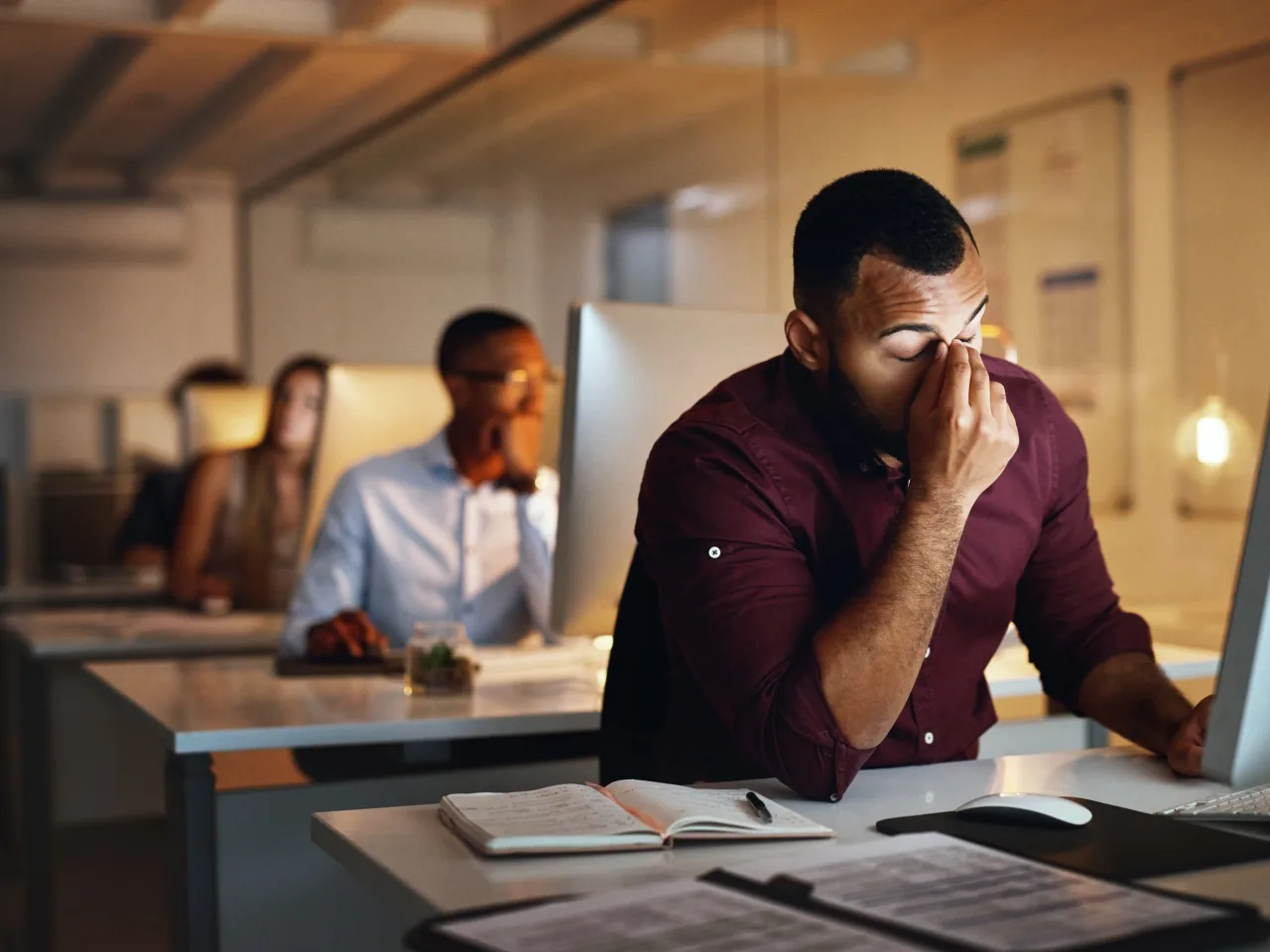
Sitting for long hours has quietly become one of the most common daily habits, especially with office jobs, online work, studying, and entertainment all happening in front of screens. What often goes unnoticed is how prolonged sitting doesn’t just make the body feel stiff—it can directly slow down muscle recovery and drain daily energy levels.
Many people assume that resting while sitting helps the body recover, especially after workouts or physically tiring days. But in reality, extended inactivity reduces blood circulation, limits oxygen delivery to muscles, and slows the removal of metabolic waste. Over time, this creates a cycle where muscles feel more fatigued, recovery becomes slower, and energy levels drop even without intense physical effort.
The issue becomes even more noticeable for people who exercise regularly. You might complete a good workout session, but if the rest of the day is spent sitting for long periods, muscle recovery does not happen efficiently. This imbalance often leads to persistent soreness, low stamina, and reduced motivation for physical activity. Understanding how sitting too long affects both recovery and daily energy is essential for building healthier routines, improving productivity, and maintaining long-term physical performance.
Why Prolonged Sitting Disrupts the Body’s Natural Recovery Process
The human body is designed for movement. When we sit for extended periods, several physiological processes slow down, affecting how the body repairs and restores itself.
Reduced Blood Circulation to Muscles
One of the most immediate effects of prolonged sitting is reduced blood flow. Muscles rely on circulation to receive oxygen and nutrients needed for repair. When sitting limits movement, blood flow becomes sluggish, especially in the lower body. This delays the recovery process after physical activity.
Slower Removal of Metabolic Waste
During exercise or even daily movement, muscles produce metabolic byproducts. These need to be cleared efficiently through circulation. Sitting too long slows this process, which can contribute to muscle tightness and lingering fatigue.
Decreased Lymphatic Movement
The lymphatic system depends on movement to function properly. Unlike blood circulation, it does not have a pump like the heart. Sitting for long hours reduces lymph flow, which can impact overall recovery efficiency and contribute to a heavy, sluggish feeling in the body.
How Sitting Too Long Affects Muscle Recovery After Exercise
Muscle recovery is not only about rest—it depends heavily on how active the body remains after exercise.
Delayed Muscle Repair
After a workout, muscles undergo microscopic stress and require nutrients and oxygen to repair. Prolonged sitting slows this delivery system, which can extend soreness and delay full recovery.
Increased Muscle Tightness
When muscles remain inactive for long periods, they gradually lose flexibility. This leads to stiffness, especially in the hips, hamstrings, and lower back. Tight muscles are more prone to discomfort and slower recovery.
Reduced Protein Utilization Efficiency
Muscle repair depends on efficient nutrient delivery, including protein. Poor circulation from prolonged sitting may reduce how effectively nutrients reach muscle tissues during recovery periods.
The Connection Between Sitting and Daily Energy Levels
Low energy during the day is often blamed on poor sleep or diet, but prolonged sitting plays a major hidden role.
Energy Slump from Reduced Oxygen Flow
When movement decreases, oxygen delivery to the brain and muscles also reduces slightly. This can lead to a feeling of mental and physical sluggishness, even if you are not physically tired.
Postural Fatigue
Sitting for long periods places strain on the spine, shoulders, and neck. Over time, this static posture leads to muscle fatigue, which drains energy without obvious physical exertion.
Decreased Metabolic Activity
Movement naturally stimulates metabolism. When sitting dominates the day, metabolic activity slows, making the body feel less energized and more inactive.
How Sitting Impacts Home Fitness and Workout Results
For people who exercise regularly, sitting habits can significantly influence results.
Slower Fitness Progress
Even with consistent workouts, long sitting periods reduce overall daily activity levels. This lowers total energy expenditure and can slow visible fitness improvements.
Reduced Flexibility Gains
Stretching and mobility improvements require frequent movement throughout the day. Sitting for long durations counteracts flexibility training by tightening muscles again.
Increased Risk of Post-Workout Stiffness
Without light movement after exercise, muscles tend to stiffen more quickly. This can make recovery feel more uncomfortable than necessary.
How Sitting Affects Mental Focus and Productivity
Physical inactivity also influences mental performance.
Reduced Cognitive Sharpness
Poor circulation from long sitting can slightly reduce mental alertness. This leads to slower thinking and reduced concentration over time.
Mental Fatigue Accumulation
Static posture contributes to overall fatigue, even without physical effort. This makes it harder to stay focused on complex tasks.
Decreased Motivation for Movement
The longer the body stays still, the more resistant it becomes to movement. This creates a cycle of inactivity and low energy.
Simple Ways to Reduce the Negative Effects of Sitting
The good news is that the effects of prolonged sitting are not permanent. Small daily adjustments can significantly improve recovery and energy levels.
Take Micro-Movement Breaks
Every 30–45 minutes, stand up and move for at least 1–2 minutes. Even light stretching or walking around the room helps restore circulation.
Use Standing or Adjustable Workspaces
Alternating between sitting and standing reduces pressure on muscles and improves overall posture throughout the day.
Walk After Meals
Short walks after eating improve circulation, digestion, and energy levels while breaking long sitting periods.
Simple infographic idea: “Desk-to-Movement Cycle for Energy Balance” showing sitting, standing, stretching, and walking intervals.
Add Light Mobility Exercises During the Day
Simple movements like shoulder rolls, hip rotations, and spinal stretches help prevent stiffness from building up.
Stay Hydrated Consistently
Proper hydration supports circulation and muscle recovery. Dehydration can worsen fatigue from prolonged sitting.
Practical Tips to Improve Muscle Recovery While Working or Studying
Muscle recovery does not stop when you leave the gym—it continues throughout the entire day.
Alternate Postures Frequently
Avoid staying in one position for too long. Shift sitting posture, stand occasionally, and move naturally during breaks.
Schedule Movement Like Tasks
Treat movement breaks as part of your daily routine rather than optional activity. Setting reminders can help build consistency.
Stretch Key Muscle Groups
Focus on areas most affected by sitting, such as hips, hamstrings, and lower back. Gentle stretching improves flexibility and recovery flow.
Avoid Back-to-Back Sitting Sessions
Long uninterrupted sitting sessions are more harmful than total sitting time itself. Breaking sessions into smaller intervals makes a big difference.
Common Mistakes People Make
Many people try to stay healthy but unintentionally make mistakes that reduce recovery and energy.
Thinking Exercise Alone Is Enough
A single workout does not offset hours of inactivity. Daily movement patterns matter just as much as exercise sessions.
Ignoring Small Stiffness Signals
Early signs like tight hips or neck stiffness are often ignored until they become persistent discomfort.
Sitting During All Breaks
Even during rest periods, people often remain seated. This prevents the body from fully resetting.
Relying on Caffeine for Energy
Caffeine may temporarily mask fatigue, but it does not address the underlying issue of inactivity-related energy loss.
Expert-Style Recommendations for Long-Term Improvement
Building a healthier relationship with sitting requires consistency and awareness rather than drastic lifestyle changes.
- Break up sitting time with intentional movement every hour
- Prioritize posture changes throughout the day
- Incorporate light activity into routine tasks
- Use walking as a default break option instead of screen-based rest
- Combine structured workouts with active daily habits
The goal is not to eliminate sitting, but to prevent it from dominating the entire day.
Conclusion
Sitting too long is often underestimated because it feels passive and harmless. However, its impact on muscle recovery and daily energy is significant. Reduced circulation, slower recovery processes, and increased muscle stiffness all contribute to a cycle of fatigue that affects both physical performance and mental clarity.
The solution does not require drastic changes. Instead, small and consistent movement habits throughout the day can significantly improve how the body recovers and how energized a person feels. By integrating regular breaks, posture changes, and light activity into daily routines, it becomes possible to restore balance between work, recovery, and overall well-being.
FAQs
1. How many hours of sitting is considered too much?
Prolonged sitting beyond 6–8 hours a day without movement breaks can start to negatively affect energy levels and muscle recovery.
2. Can short workouts cancel out long sitting hours?
Workouts help, but they cannot fully offset long periods of inactivity. Daily movement patterns are equally important.
3. Why do I feel tired even after resting all day?
Extended sitting can reduce circulation and muscle activation, leading to fatigue even without physical activity.
4. Does standing all day solve the problem?
Not completely. Alternating between sitting, standing, and moving is more effective than relying on a single posture.
5. How quickly can movement breaks improve energy?
Many people notice improved alertness and reduced stiffness within a few days of consistent movement breaks.
