
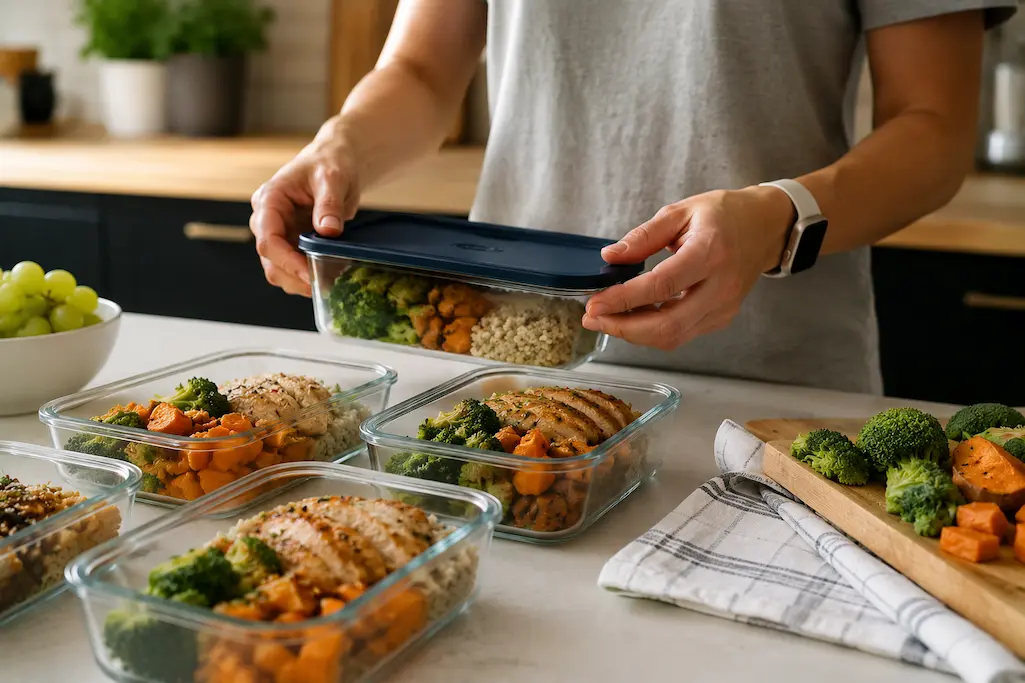
For a long time, I believed that eating healthy required cooking fresh meals every single day. I would stare into the fridge at 6 p.m., tired from work, and try to pull together something nutritious from whatever was left. Most nights, this led to the same cycle: a quick processed meal, a takeaway order, or a bowl of cereal eaten standing up. The intention was always there, but the system was not. Over time, I realized that the problem was not my motivation or my cooking skills. It was the lack of a simple, repeatable structure that removed the daily decision-making from eating well.
That structure is meal prep. Not the elaborate, all-day Sunday cooking marathons you see on social media, but a practical, flexible system that anyone can maintain even during the busiest weeks. A good meal prep system does not require perfection. It requires consistency, a few basic habits, and an understanding of how to prepare food safely so it stays fresh and enjoyable throughout the week.
Why Meal Prep Matters for Busy People
Modern life demands constant decision-making. By the end of a workday, we deplete our mental energy, and our brain naturally seeks the easiest available option. Research indicates that the average person makes over 200 food-related decisions daily, and this constant stream of choices contributes to decision fatigue. As cognitive resources diminish, people tend to default to convenient, processed foods regardless of their original intentions.
Meal prep solves this problem by consolidating food decisions into a single planning session, typically when energy and willpower are highest. Instead of deciding what to eat multiple times per day, the decisions are made once. This not only reduces stress but also creates a reliable path toward consistent, balanced eating. Studies have linked meal planning to lower stress levels, reduced obesity rates, and improved dietary quality.
Beyond personal health, meal prep has practical financial and environmental benefits. Households throw away an average of 1.96 kilograms of food per day, which adds up to significant waste over a year. By planning meals and using ingredients intentionally, food waste drops, grocery bills shrink, and the environmental impact of uneaten food decreases.
Key Insight
Meal prep is not about cooking every meal in advance. It is about creating a system that removes daily decision fatigue and makes healthy eating the default option, not the difficult one.
The Difference Between Full Meal Prep and Ingredient Prep
Many people avoid meal prep because they imagine spending an entire Sunday cooking identical meals in plastic containers. This image is intimidating and unnecessary. In reality, there are two main approaches, and ingredient prep is often the more sustainable option for beginners.
Full meal prep involves cooking complete meals and portioning them out for the week. This works well for lunches or specific dishes that reheat nicely, such as stews, curries, or grain bowls. However, it can feel restrictive and repetitive.
Ingredient prep, on the other hand, involves preparing individual components that can be mixed and matched throughout the week. This might mean roasting a tray of vegetables, cooking a pot of grains, grilling several chicken breasts, and washing salad greens. These components are stored separately and assembled into different meals based on what sounds appealing each day. This approach offers flexibility while still saving time.
Most people benefit from a hybrid system: one or two fully prepared meals for the busiest days, plus prepped ingredients that allow for quick assembly on other days. The goal is not to eliminate all cooking during the week but to reduce the time and mental effort required to put a balanced meal together.
Building a Simple Weekly Meal Prep Routine
A sustainable meal prep system starts with planning, not cooking. Before any food is prepared, a basic framework for the week should be established. This does not mean planning every single bite. It means deciding on a few reliable meals and ensuring the necessary ingredients are available.
Step 1: Plan Three to Four Main Meals
Rather than mapping out breakfast, lunch, and dinner for seven days, choose three to four main meals that can be prepared in batches. These meals should be simple, familiar, and nutritionally balanced. Leftovers from dinner can serve as lunch the next day, which automatically reduces the number of meals that need to be planned separately.
Theme nights can simplify this process further. For example, Monday could be a grain bowl night, Tuesday a stir-fry, Wednesday a soup or stew, and Thursday a sheet-pan dinner. Themes reduce decision-making while still allowing for variety within a structure.
Step 2: Create a Purposeful Shopping List
Once the meals are chosen, the shopping list writes itself. A purposeful list prevents impulse purchases, reduces food waste, and ensures that everything needed is on hand. Shopping with a list also saves time in the store because there is no wandering through aisles trying to decide what might work.
Before writing the list, check what is already in the fridge, freezer, and pantry. This prevents buying duplicates and encourages using items that are close to expiring. Building meals around ingredients you already have is one of the simplest ways to reduce waste.
Step 3: Choose a Prep Day and Time Block
The actual preparation should happen in a single, focused session. For most people, Sunday afternoon or early evening works well, but any consistent time block is effective. The session does not need to last three hours. Even 60 to 90 minutes of focused prep can set up an entire week of easier eating.
During this block, the goal is to complete the tasks that take the most time during weeknight cooking. This typically includes washing and chopping vegetables, cooking grains and proteins, and preparing any sauces or dressings. These components are then stored in separate containers, ready to be combined into meals throughout the week.
| Prep Task | Time Required | Storage Duration | Best Used For |
|---|---|---|---|
| Roasted mixed vegetables | 25-30 minutes | 4-5 days refrigerated | Grain bowls, wraps, side dishes |
| Cooked grains (rice, quinoa, oats) | 15-20 minutes | 4-6 days refrigerated | Base for bowls, fried rice, breakfast |
| Grilled or baked protein | 20-25 minutes | 3-4 days refrigerated | Salads, wraps, main dishes |
| Washed and chopped raw vegetables | 15 minutes | 3-5 days refrigerated | Snacks, salads, quick stir-fries |
| Homemade sauces or dressings | 10 minutes | 5-7 days refrigerated | Flavoring any assembled meal |
Essential Food Safety for Meal Prep
Preparing food in advance is only beneficial if the food remains safe to eat. Proper cooling, storage, and reheating are critical steps that are often overlooked in home meal prep.
Cooling Food Properly
One of the most common mistakes is putting hot food directly into the refrigerator. Large containers of hot food can raise the internal temperature of the fridge, creating conditions where bacteria can grow. Instead, cooked food should be cooled quickly before refrigeration.
The recommended approach is a two-stage cooling process. First, allow the food to cool at room temperature for no longer than two hours. Then transfer it to shallow containers, no more than two inches deep, and place it in the refrigerator. Shallow containers allow heat to escape more quickly, bringing the food to a safe temperature faster. If the food is still warm when it goes into the fridge, cover it loosely until it cools completely.
Safe Storage Times
Most cooked meals stay safe in the refrigerator for three to four days. After that, the risk of bacterial growth increases, and food quality declines. If you are prepping for a full week, the best approach is to prepare three to four days of meals and either prep again midweek or freeze the remaining portions immediately rather than storing them in the refrigerator for extended periods.
Freezing is an excellent option for meals that will not be eaten within the safe refrigeration window. Cooked food can be frozen for several months, though quality is best within the first one to two months. Always label containers with the date they were prepared so older items are used first.
Reheating to Safe Temperatures
When reheating prepped meals, the goal is to heat food thoroughly and evenly. Food should reach an internal temperature of at least 75 degrees Celsius throughout. Soups, sauces, and stews should be brought to a rolling boil. In the microwave, stir food periodically to eliminate cold spots where bacteria might survive.
Food should only be reheated once. Repeated cooling and reheating create multiple opportunities for bacteria to grow. For this reason, it is better to store meals in individual portions and only reheat what will be eaten in one sitting.
Food Safety Reminder
Rice and pasta deserve extra caution because they can harbor Bacillus cereus spores that survive cooking. Cool rice and pasta quickly, refrigerate within one hour, and never leave them at room temperature for extended periods.
Choosing the Right Containers
The containers used for meal prep affect both food safety and food quality. Airtight containers are essential because they prevent contamination, reduce moisture loss, and keep food tasting fresh longer. Glass containers are often preferred over plastic because they do not absorb odors or stains, they can be reheated safely, and they last longer. However, high-quality BPA-free plastic containers are also suitable if they are in good condition.
Containers should be inspected regularly for cracks, worn seals, or deep scratches. Damaged containers can harbor bacteria even after washing, so any that show significant wear should be replaced. For freezing, choose containers specifically designed for freezer use, as standard containers may crack at low temperatures.
Portion size matters as well. Individual portions reheat more evenly than large batches, and they make it easier to grab exactly what is needed without exposing the rest of the food to temperature fluctuations.
How to Keep Meal Prep Interesting
Boredom is one of the main reasons people abandon meal prep. Eating the same meal five days in a row feels monotonous, even if the meal is initially enjoyable. The ingredient prep approach naturally solves much of this problem by allowing for different combinations throughout the week.
Another effective strategy is using flavor profiles to transform the same base ingredients into different meals. A batch of grilled chicken, roasted vegetables, and cooked quinoa can become a Mediterranean bowl with hummus and lemon one day, a Mexican-inspired plate with salsa and avocado the next, and an Asian-style bowl with soy sauce and sesame oil the day after. Keeping a variety of spices, sauces, and fresh garnishes on hand makes this approach easy.
Frozen vegetables and fruits are also valuable allies. They are nutritionally comparable to fresh produce, often more affordable, and they reduce waste because they do not spoil before being used. Keeping a stock of frozen broccoli, spinach, berries, and peas ensures that healthy options are always available, even when fresh supplies run low.
Building Flexibility Into the System
A rigid meal prep system breaks under the pressure of real life. Some weeks will not go as planned, and that is normal. The most effective approach includes built-in flexibility. This might mean planning one or two nights for simple assembly meals, keeping a fallback option like eggs or a frozen homemade soup for emergencies, and allowing for one planned takeout or restaurant meal without guilt.
The goal of meal prep is not to eliminate all spontaneity. It is to create a safety net that makes healthy eating the default while still allowing room for life to happen. When the system is too strict, it becomes stressful. When it is flexible, it becomes sustainable.
Flexibility Tip
Plan your prep session around your actual schedule, not an ideal one. If you only have 45 minutes, prep two proteins and one grain instead of trying to do everything. Partial prep is always better than no prep.
How Meal Prep Supports Long-Term Health Goals
Consistency is the foundation of any lasting health change, and meal prep creates the structure that supports consistency. When nutritious meals are readily available, the barrier to eating well drops dramatically. There is no need to rely on willpower at 7 p.m. when dinner is already prepared. The healthy choice becomes the easy choice.
Over time, this consistency leads to better energy levels, more stable blood sugar, improved digestion, and easier weight management. It also reduces the stress and mental burden associated with daily cooking decisions. Many people find that once meal prep becomes a habit, it feels less like a chore and more like a form of self-care.
The financial benefits accumulate as well. Reduced food waste, fewer impulse purchases, and less reliance on expensive convenience foods or takeout all contribute to lower grocery bills. For most households, the time invested in a weekly prep session pays for itself many times over.
Common Meal Prep Mistakes to Avoid
Even with good intentions, certain mistakes can undermine a meal prep system. One of the most common is prepping too much food at once. Large batches take longer to cool, increasing food safety risks, and they can lead to waste if plans change during the week. It is better to prep for three to four days and do a second, smaller prep session midweek if needed.
Another mistake is ignoring food safety guidelines. Leaving cooked food on the counter for hours, storing hot food in deep containers, or reheating multiple times are habits that can lead to foodborne illness. These risks are entirely preventable with basic awareness.
Some people also fall into the trap of overcomplicating their meals. Elaborate recipes with long ingredient lists take more time to prepare and are harder to sustain. Simple meals with a protein, a vegetable, and a complex carbohydrate are nutritionally complete and much easier to prep in bulk.
Finally, many beginners give up after one difficult week. Building a meal prep habit takes time. The first few sessions may feel slow or disorganized, but efficiency improves with practice. Starting small and gradually expanding the system is more effective than attempting a complete overhaul immediately.
Conclusion
Meal prep is not about perfection or spending an entire day in the kitchen. It is about creating a simple, repeatable system that removes daily decision fatigue and makes healthy eating accessible even during the busiest weeks. By planning a few meals, shopping with purpose, preparing ingredients in a focused session, and storing food safely, anyone can build a routine that supports consistent nutrition without adding stress.
The benefits extend beyond the kitchen. Better energy, lower grocery bills, reduced food waste, and less mental burden around meals all come from a system that takes just a small amount of time to maintain. The key is to start simple, stay flexible, and allow the habit to develop naturally. Over time, meal prep becomes less of a task and more of a foundation for a healthier, calmer week.
Frequently Asked Questions
1. How long does meal prep typically take?
A focused prep session usually takes 60 to 90 minutes. This includes washing and chopping vegetables, cooking grains and proteins, and portioning components into containers. As the routine becomes familiar, the process often becomes faster.
2. Can I meal prep if I do not like eating the same food every day?
Yes. Ingredient prep allows you to mix and match components throughout the week. Preparing versatile base ingredients and varying sauces, spices, and garnishes creates variety without requiring separate cooking sessions for every meal.
3. How many days in advance should I prep meals?
For refrigerated meals, three to four days is the safe maximum. If you need meals for a full week, prep the first half and either do a second midweek prep session or freeze portions that will be eaten later in the week.
4. Is it safe to freeze meal-prepped food?
Yes. Most cooked meals freeze well for one to two months. Cool the food completely before freezing, use freezer-safe containers, and label each container with the date. Thaw frozen meals in the refrigerator overnight before reheating.
5. What if I miss my prep day?
Missing a prep day is not a failure. Keep a few emergency options on hand, such as frozen soup, eggs, or pre-washed salad kits. Do a smaller prep session when time allows, even if it is only 20 minutes. Partial prep is always better than abandoning the system entirely.
Related Articles
For more on building sustainable nutrition and daily habits, explore these related guides:
- How I Stay Consistent With Healthy Eating Every Week — Discover the weekly habits that support long-term nutrition without strict rules.
- How to Build a Weekly Grocery System for Healthier Eating — Learn how to shop with purpose and reduce food waste before you even start cooking.
- How to Read Food Labels for Smarter Grocery Decisions — Make informed choices at the store so your meal prep ingredients support your health goals.
- How Simple Plate Planning Helps Improve Daily Nutrition Balance — Understand how to structure balanced meals using the components you prep.
- How Stable Blood Sugar Levels Help Maintain Natural Daily Energy — See how consistent, prepared meals support steady energy throughout the day.
- How Fiber Intake Helps Control Hunger Naturally — Learn why fiber-rich prepped meals keep you satisfied longer.
- How Protein Balance Supports Energy and Appetite Control — Understand the role of protein in the meals you prepare ahead of time.
Sources and References
- MyFitnessPal Survey (2024). “Meal Planning and Health Outcomes.” MyFitnessPal Health Report.
- McKee, H. (2025). “Why Meal Planning Is a Health Game-changer.” Men’s Health UK.
- Turnbull, C. (2025). “Breaking Free from Food Noise: The Science Behind Constant Food Thoughts and Why Meal Planning Changes Everything.” The Online GP.
- Stanford Lifestyle Medicine (2024). “Meal Prep Ideas for Busy People.” Stanford Lifestyle Medicine.
- WRAP (2024). “Household Food Waste Statistics.” Waste and Resources Action Programme.
- U.S. Environmental Protection Agency (2025). “Preventing Wasted Food At Home.” EPA.gov.
- Food Safety and Inspection Service, USDA. “Leftovers and Food Safety.” USDA.gov.
- Centre for Food Safety, Hong Kong (2024). “Cooling and Reheating Prepared Foods.” Food and Environmental Hygiene Department.
- Food Standards Agency, UK. “Food Safety Standards for Batch Cooking.” FoodSafetySolutions.com.au.
- Oppezzo, M. (2024). “Meal Prep Tips for Busy People.” Stanford Lifestyle Medicine.
- Guiding Stars (2019). “Food Safety Considerations for Big Batch Food Cooking.” GuidingStars.com.
- Essential Food Hygiene (2026). “The Correct Temperature for Reheating Food is 75°C.” EssentialFoodHygiene.co.uk.
Daniel Kraus is part of the san06.com editorial team, focusing on mental focus, daily habits, fitness, nutrition, and sleep. He creates clear, practical content designed to support consistent and balanced routines. His work emphasizes simplicity, structure, and real-world usability. All content is reviewed for accuracy and responsible tone and is intended for informational purposes only—not as medical or professional advice.
